Location: Southern Tanzania
Ruaha National Park
Remote Wilderness, Big Predators and the Great Ruaha River
Ruaha National Park is one of Tanzania’s most impressive wilderness areas. It combines the Great Ruaha River, baobab-studded landscapes, miombo woodland, rocky hills and strong predator populations in a remote southern safari setting.
Ruaha is ideal for travelers who want a deeper and quieter safari than the busiest northern circuit routes. The park feels wild, spacious and less predictable in the best possible way. Game drives may cover long distances, but the reward is a sense of true wilderness.
The park is a meeting point of eastern and southern African wildlife influences, which gives it a special mix of species. It is particularly attractive to experienced safari travelers, photographers and guests who value fewer vehicles at sightings.
Quick Facts
Known For: WiRemote wilderness
Landscape: River, baobabs & miombo
Safari Type: 3-5 days
Why Visit the Ruaha National Park ?
This destination deserves a clear place in a Tanzania itinerary because it offers a specific experience rather than simply repeating what other parks provide.
- One of Tanzania’s strongest remote safari experiences.
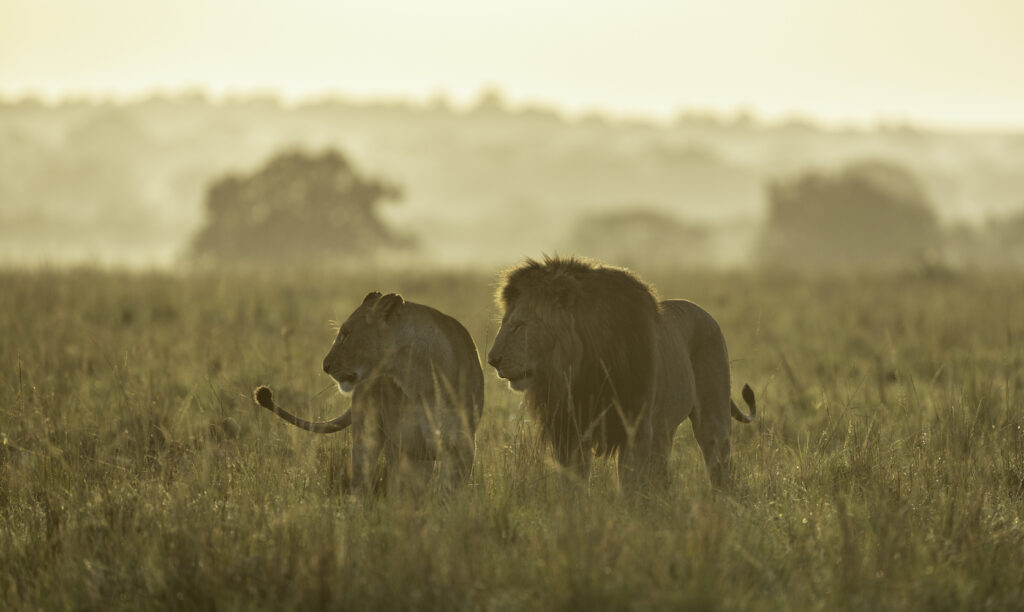
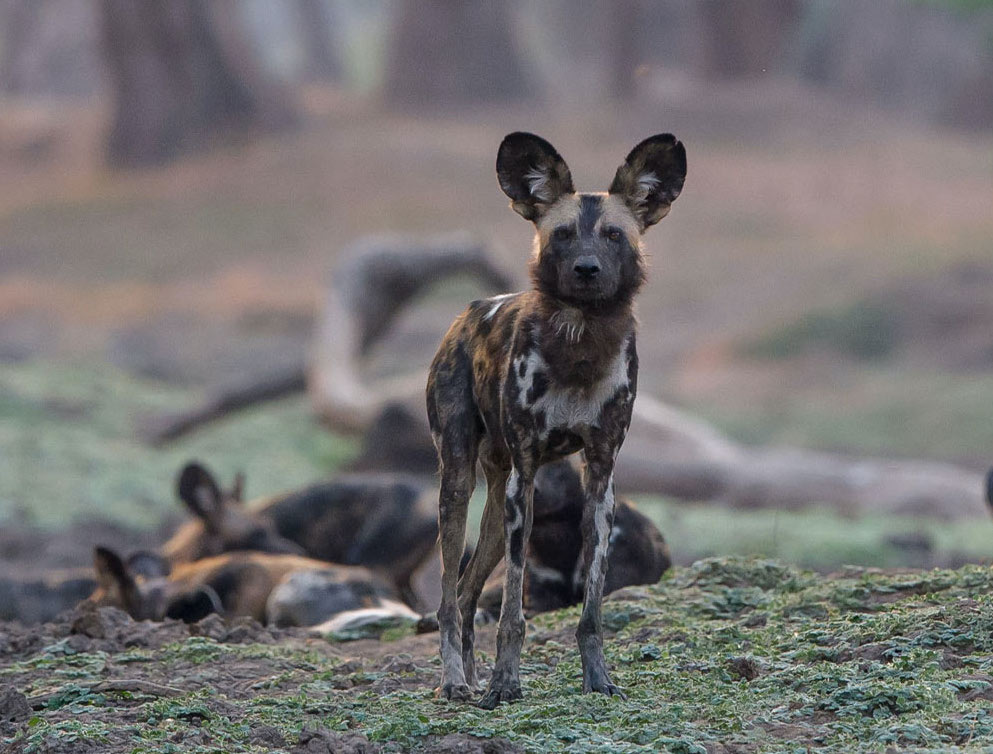
- Excellent predator country, including lions and possible wild dogs.
- Beautiful baobab landscapes and river scenery.
- Good for travelers avoiding crowded safari routes.
- Combines well with Mikumi, Udzungwa or fly-in southern circuit itineraries.
Wildlife and Scenery
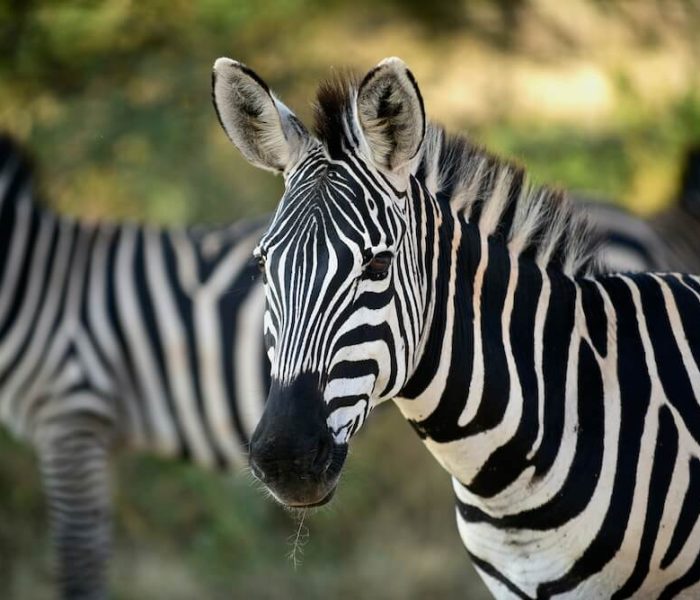
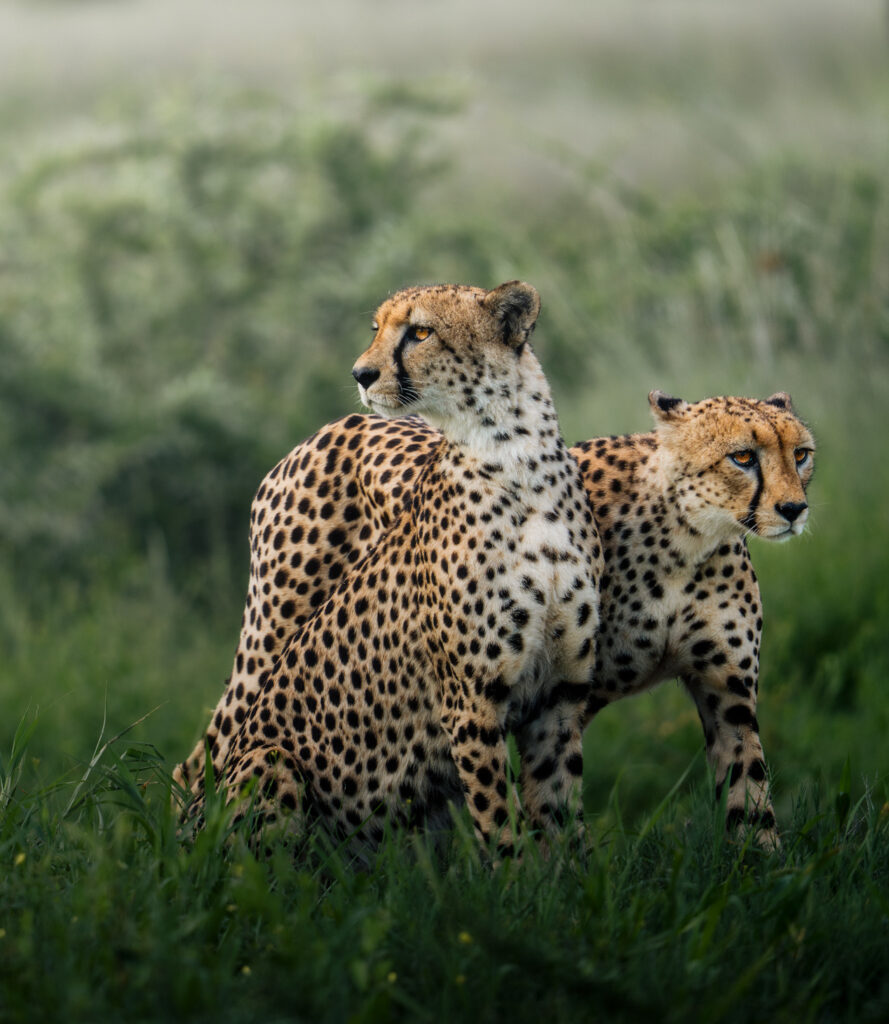
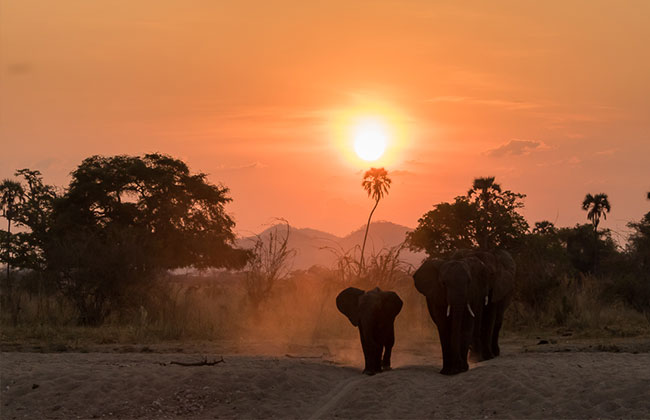
Ruaha supports elephants, lions, leopards, cheetahs, buffalo, giraffes, zebras and many antelopes. It is known for species such as greater and lesser kudu, sable and roan antelope, which add interest for experienced safari travelers. African wild dogs may also be seen, though sightings are never guaranteed.
The Great Ruaha River and seasonal water sources are important for dry-season wildlife concentration. Crocodiles, hippos, waterbirds and animals coming to drink create excellent opportunities for patient observation.
Main Areas and Highlights
Great Ruaha River
The river is the main wildlife artery and a key dry-season game-viewing area.
Baobab and Rocky Country
Iconic baobab trees, kopjes and hills create dramatic scenery and excellent photography.
Miombo Woodland
This habitat supports a different range of species and gives Ruaha its southern African character.
Remote Interior Routes
Longer stays allow exploration of quieter areas, where the park's wilderness feeling becomes stronger.
Best Time to Visit the Arusha National Park
The destination can be planned in different seasons, but the best month depends on the main experience you want to prioritize.
| Period | What to Expect | Best For |
|---|---|---|
|
June to October |
Dry season; wildlife often gathers near water and visibility improves. |
Predators and big-game safari |
|
November to March |
Green landscapes and excellent birding, with more dispersed wildlife. |
Birding and photography |
|
April to May |
Some camps may close and access can be affected by rain. |
Low-season specialists |
Free 30-minute call with our travel expert
Book a free 30-minute call to get personalized advice about safaris, Kilimanjaro routes, and the best times to visit.
Guruguru Safari
Safari Expert
Things to Do in Ruaha National Park
Tour Activities in the Park
- Morning and afternoon game drives
- Full-day wilderness game drives
- Walking safari where arranged by camps and authorities
- Bird watching
- Photography focused on predators, baobabs and river scenes
How to Get to Ruaha National Park
Ruaha can be reached by scheduled or charter flights, usually through airstrips serving the park. Road access is possible from Iringa and other southern circuit routes, but distances are long. For many travelers, flying is the most efficient option.
How Many Days Do You Need in the Ruaha National Park ?
Three nights is a good minimum for Ruaha. Four or five nights allow better exploration and reduce the risk of feeling rushed, especially for photographers and serious wildlife travelers.
Where to Stay in the Ruaha National Park
Ruaha accommodation ranges from comfortable camps to higher-end wilderness lodges. Camp location matters because the park is large, and staying near productive game-viewing areas improves the safari experience.
Planning Tips
- Recommend Ruaha to travelers who value wilderness, not quick checklists.
- Use at least three nights to do the park justice.
- Dry season is usually strongest for concentrated wildlife viewing.
- A fly-in itinerary saves time and pairs well with Nyerere or other southern destinations.
- Prepare clients for longer, quieter game drives and fewer vehicles.
Frequently Asked Questions About the Ruaha
Is Ruaha worth visiting?
Yes. Ruaha is one of Tanzania’s best parks for remote wilderness, predators and uncrowded game viewing.
How many days should I spend in Ruaha?
Three to five days is recommended for a strong safari experience.
Is Ruaha better than Serengeti?
It is different. Serengeti is famous for open plains and migration, while Ruaha offers a quieter and more remote wilderness experience.
Can I see wild dogs in Ruaha?
African wild dogs occur in Ruaha, but sightings depend on movement, season and chance.
Plan Your Visit
Ruaha is best planned as a serious safari destination, with enough time to appreciate its wilderness scale, predator activity and powerful southern Tanzania atmosphere.
Do you need a visa to visit Tanzania?
You can obtain this visa either online or on arrival. Typically, it takes 3-5 days to get your visa approved online. However, if your trip starts in less than a week, we recommend opting for the on-arrival visa. To avoid issues with POS machines, bring $50 in cash.
Website for application: visa.immigration.go.tz
What Our Clients say about us
EXCELLENTVerified Great Day We had an amazing day visiting the ngorongoro crater. The tour guide was informative and great. The food was well prepared. It was a beautiful day. Make sure you go with guruguru safaris.Posted on TripadvisorVerified Best experience Ever Mosha and the guruguru Team was amazing.5 nights on an incredible safari.3 days in serengeti and 2 days in ngorongoro. Every single staff member we met was fun,friendly and helpful. 100% excellent service.Posted on TripadvisorVerified Worth the money 💰 We had an unforgettable safari and Zanzibar experience with guruguru safaris. Everything was perfect from the first message. Guides, drivers very professional. Next time we must hike the mount Kilimanjaro with guruguru safaris. There are so many companies in Tanzania but guruguru safaris has a great team.Posted on TripadvisorVerified Kenya+Tanzania Safari We had an incredible Tanzania and kenya safari. Comfortable hotels both in serengeti and maasai mara.Both the guides in kenya and Tanzania did an extremely great job.Thanks to peter for fixing the visa. We contacted different companies but Guruguru had the best offers,Good price + communication.Posted on TripadvisorVerified Honeymoon safari Our first safari in africa.After doing our research we decided to go to serengeti with guruguru safaris. They responded immediately to help. Booked 8 days private long safari. We had a great time with kilangi. Very communicative guide. Highly recommendPosted on TripadvisorVerified EXCEPTIONAL We must repeat this wonderful experience. Great safari. Top organized. Car,lodges all good. Our guide Philipo accompanied us throughout our entire trip.He spoke so many languages fluently and had high knowledge about the animals. We were able to see so many animals. Everything was simply excellent.Posted on TripadvisorVerified 13 Days in Tanzania Unforgettable trip to arusha,moshi,serengeti and zanzibar. I can only Highly recommend guruguru safari. 6 days safari and 7 days zanzibar. Felix made us feel comfortable. He was very talented and professional. Thanks to peter for helping us make our dream come true. He organized everything wonderful.Posted on TripadvisorVerified Incredible Safari Thank you Guruguru safaris for the great safari in Serengeti . Very professional team led by Mr Peter . Very responsive from the beginning. Very friendly and accommodating. Best prices for a private safari. Found their phone number online . Joseph the guide was great.Posted on TripadvisorVerified Would Highly Recommend Our second time visit in Tanzania.We had unforgettable and magical time with Guruguru Safaris.We spent 8 wonderful days on safari with philipo. Great knowledge of flora and fauna in the serengerti.He never rushed us.Very well educated guide. very safe.Posted on TripadvisorVerified A Dream trip Thanks to peter for organizing the safari.The lodges were comfortable and beautiful. The team was great. Smilling and happt. Recommend 100%