Ol Doinyo Lengai & Lake Natron
Tanzania’s Rift Valley Expedition
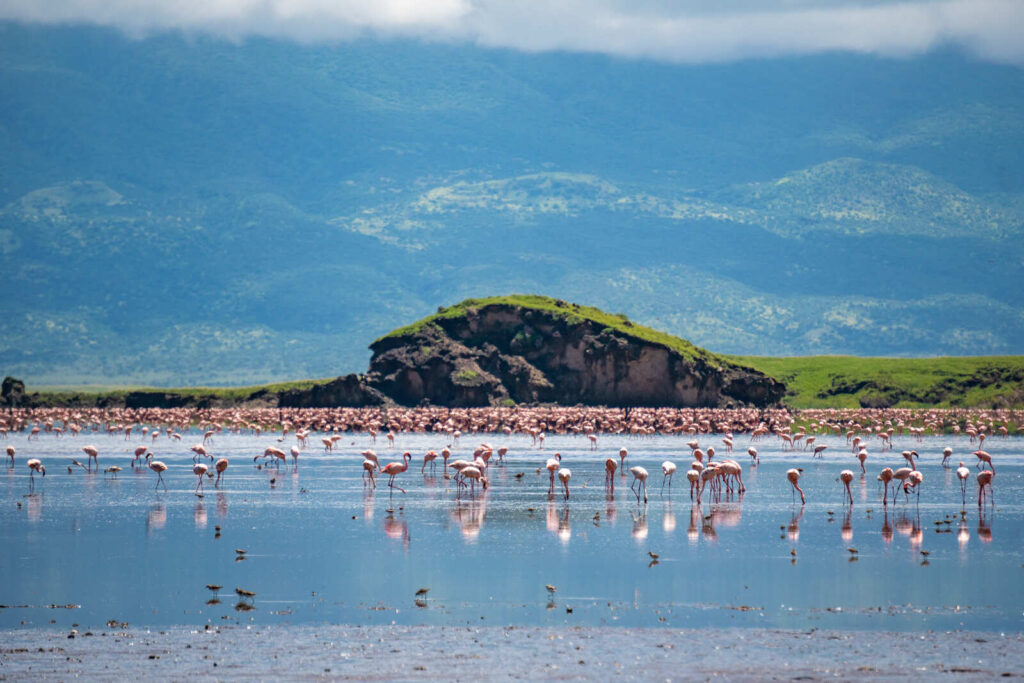
This is one of Tanzania’s most extreme, remote, and rewarding trips. It’s not a safari. It’s an expedition. Visiting this area means exploring two of Tanzania’s most beautiful, unique, and authentic landscapes: an active volcanic mountain on one side, and a vast alkaline lake on the other.
Ol Doinyo Lengai is a 2,962m / 9,721ft active carbonatite volcano. It is the only volcano on Earth that erupts natrocarbonatite lava. This unique lava is “cool” at 510°C, versus 1,200°C for normal lava. That is why it looks black, not red.
Due to extreme heat, the mountain can only be climbed between midnight and 06:00 AM. Afternoon temperatures on the black volcanic rock are extremely high, making hiking difficult.
Let's Plan Your Adventure
Get instant answers about safari packages, mountain climbing, accommodation, pricing, and travel planning.
Chat With Expert
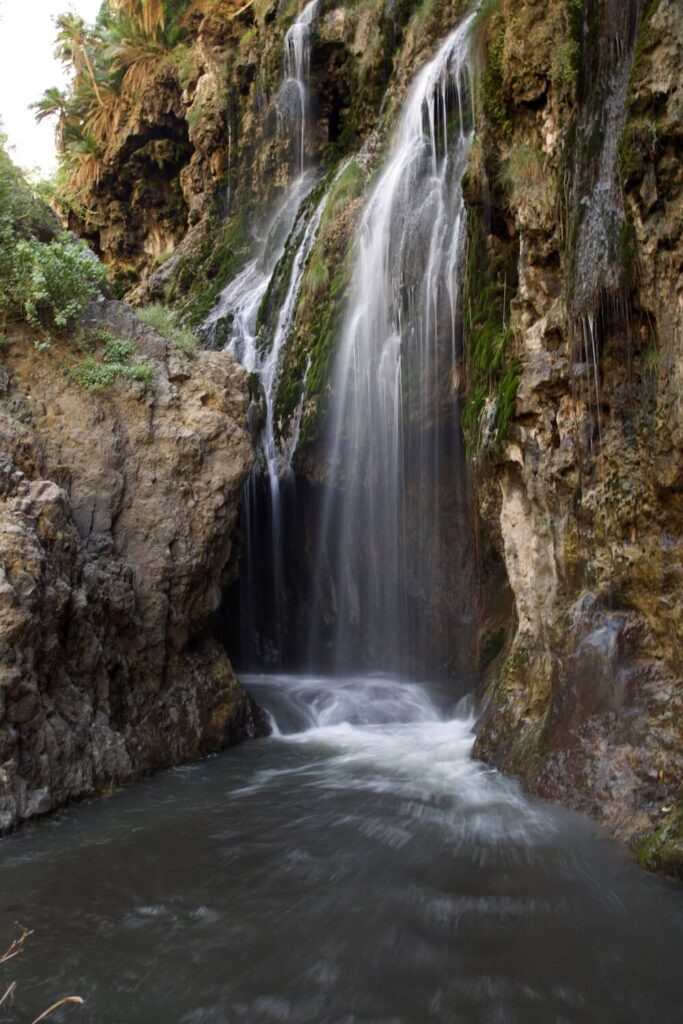
Discover Engare Sero Waterfall
On the other side of the lake is *Engare Sero Waterfall*. This oasis at the base of the gorge has cool, fresh water to swim in after the hot, dusty climb. The 200m rock walls are a non-negotiable highlight on any Lengai trip.
The People of the Land
The Maasai call Ol Doinyo Lengai the “Mountain of God”. For those who wish to visit a traditional Maasai Boma, we do so with respect for their culture and traditional way of life. Photography is only permitted with permission.
Bottom Line from Guruguru Safari Ol Doinyo Lengai is Tanzania’s most challenging, active mountain. Lake Natron is one of Africa’s harshest, most beautiful landscapes. You earn every view on this trip.
Ol Doinyo Lengai Frequently Asked Question
What is Ol Doinyo Lengai?
Ol Doinyo Lengai, meaning “Mountain of God” in the Maasai language, is an active volcano located in northern Tanzania near Lake Natron. It is the only volcano in the world that erupts rare natrocarbonatite lava.
How difficult is the Ol Doinyo Lengai climb?
The climb is considered challenging due to its steep slopes and loose volcanic terrain. A good level of fitness is recommended, as the ascent usually takes place at night to reach the summit by sunrise.
How long does it take to climb Ol Doinyo Lengai?
Most climbs take 6 to 8 hours to reach the summit and 3 to 5 hours to descend, depending on your pace and weather conditions.
When is the best time to climb Ol Doinyo Lengai?
The best time to climb is during the dry seasons, from June to October and from December to February, when the trails are drier and conditions are more favorable.
What should I pack for the climb?
Essential items include sturdy hiking boots, warm clothing, a headlamp with extra batteries, gloves, plenty of drinking water, energy snacks, sunscreen, and a small backpack for personal items.
Can I combine Ol Doinyo Lengai with other destinations?
Yes. Many travelers combine the climb with visits to Lake Natron, the Ngorongoro Conservation Area, Serengeti National Park, Tarangire National Park, or a Mount Kilimanjaro trek for a complete Tanzania adventure.