Location: Northern Tanzania,
Serengeti National Park
Discover Serengeti National Park
Serengeti National Park is the Tanzania safari many travelers imagine before they ever arrive in Africa: wide golden plains, acacia trees on the horizon, lions resting beside rocky kopjes, and enormous herds moving across a landscape that seems to have no end.
Located in northern Tanzania, the Serengeti is one of the world’s great wildlife destinations and the heart of the wider Serengeti-Mara ecosystem. Its name is commonly connected to the Maasai word for “endless plains,” a description that becomes immediately clear as the savannah opens in every direction.
The park is best known for the Great Wildebeest Migration, but a Serengeti safari is much more than one seasonal event. Resident wildlife can be seen throughout the year, and the park supports an extraordinary variety of predators, herbivores, birds, river systems, woodland, short-grass plains, and granite outcrops.
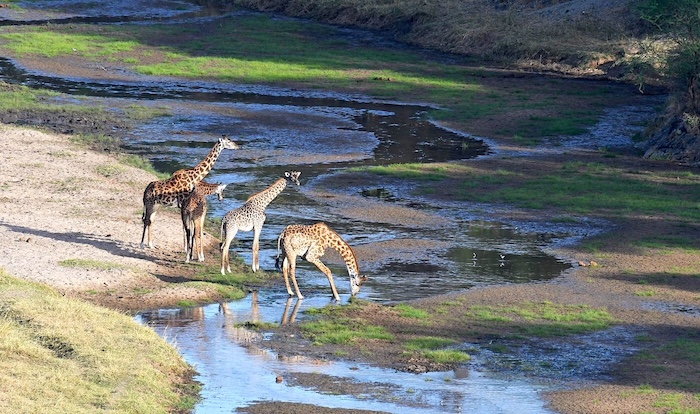
For first-time safari travelers, photographers, honeymooners, families, and returning wildlife enthusiasts, the Serengeti offers something rare: every game drive feels different. You may spend a quiet morning watching giraffes cross the plains and, minutes later, find yourself observing a lion pride, a cheetah scanning the grass, or thousands of wildebeest stretching toward the horizon.
Quick Facts
Known For: Great Migration
Landscape: Endless plains & kopjes
Best For: Wildlife & big cats
Safari Type: Game drive
Visit: Year-round
Unesco: World Heritage Site
Unesco: 3-5 safari days
Why Visit the Serengeti?
The Serengeti is not famous because of a single animal or one viewpoint. Its strength is the scale and richness of the entire ecosystem. The landscape gives wildlife space to move naturally, and this creates some of the most rewarding predator-prey encounters in Africa.
- Witness the Great Migration as vast herds move in search of fresh grass and water.
- Search for lions, leopards, cheetahs, elephants, buffalo, giraffes, hippos, crocodiles, and many other species.
- Explore dramatically different regions, from the Seronera Valley to the Western Corridor and Northern Serengeti.
- Watch sunrise and sunset over open savannah, woodland, rivers, and rocky kopjes.
- Add special safari experiences such as a hot-air balloon flight over the plains.
- Enjoy excellent year-round wildlife viewing, even when the main migration herds are in another part of the ecosystem.
The Great Wildebeest Migration
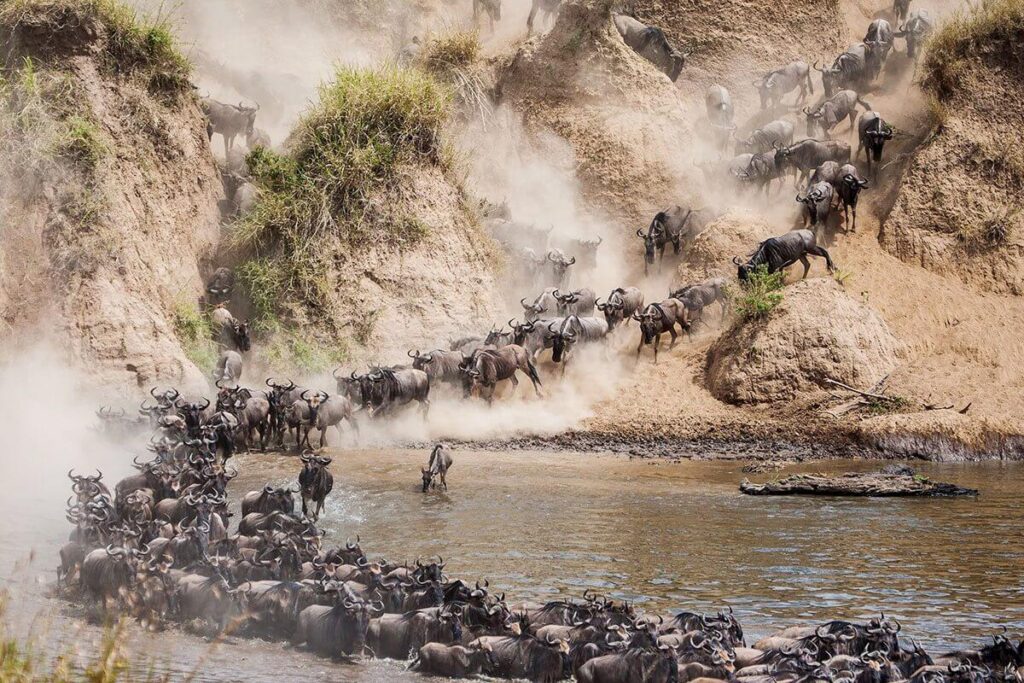
The Great Migration is a continuous natural cycle, not a one-day event. Wildebeest, zebras, and gazelles move through the Serengeti-Mara ecosystem in response to rainfall, water, and fresh grazing.
The exact position of the herds changes from year to year because nature does not follow a fixed calendar. However, the migration usually follows a broad seasonal pattern. This is why choosing the correct area of the Serengeti is just as important as choosing the correct month.
December to March – Southern Serengeti and Ndutu
The southern plains become an important gathering area when fresh grass is available. The calving season is a major highlight, drawing large herds and the predators that follow them. This period is especially rewarding for travelers interested in young animals and intense wildlife interaction.
April to May – Moving North and West
As conditions change, the herds begin moving away from the southern plains. Green landscapes, dramatic skies, and fewer vehicles can make this an attractive period for photographers and travelers who prefer a quieter safari atmosphere.
June to July – Western Corridor and the Move North
The migration continues through the western and central parts of the ecosystem. Depending on rainfall and herd movement, travelers may encounter large concentrations near the Grumeti area before the herds push farther north.
July to October – Northern Serengeti and Mara River
Large herds gather in Northern Serengeti. Mara River crossings may occur during this period, but crossings are unpredictable. There is no guaranteed crossing time; patience, a knowledgeable guide, and enough days in the right area improve the overall migration experience.
November – The Return South
Short rains can trigger fresh grass and the gradual movement of the herds back toward the south. The migration cycle continues, preparing for another calving season.
A successful migration safari should therefore be planned around the likely location of the herds, not simply around the words “Great Migration.” The Serengeti is enormous, and staying in the wrong region can mean spending valuable safari time driving long distances.
Wildlife in Serengeti National Park
Wildlife is the reason most people come to the Serengeti, and the park rarely feels like a checklist safari. The real experience is watching animal behavior: a lion pride communicating through the grass, elephants moving quietly between trees, hyenas patrolling at dawn, or a cheetah using a termite mound to scan the plains.
Big Cats and Predators
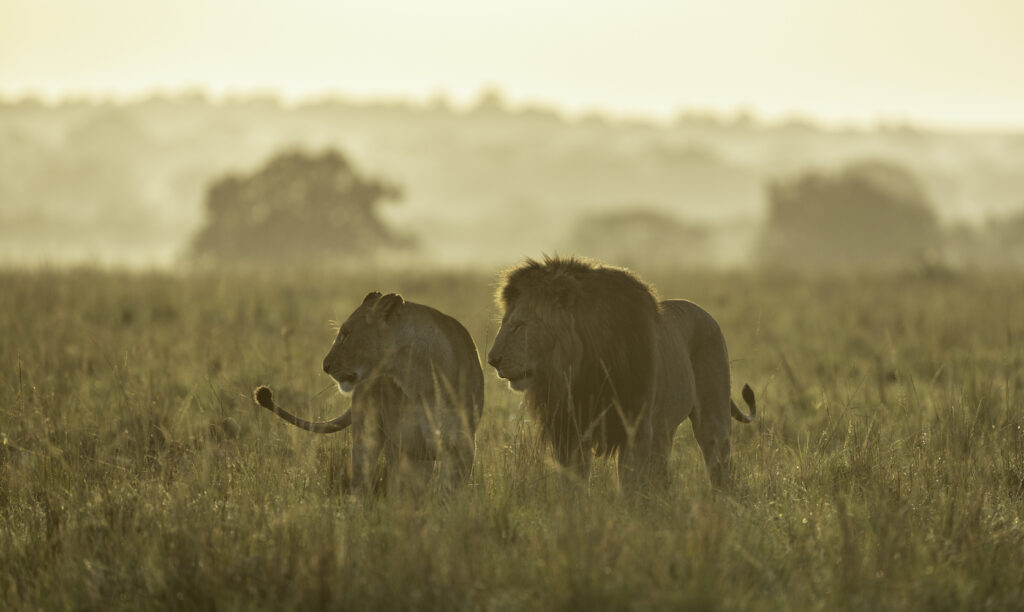
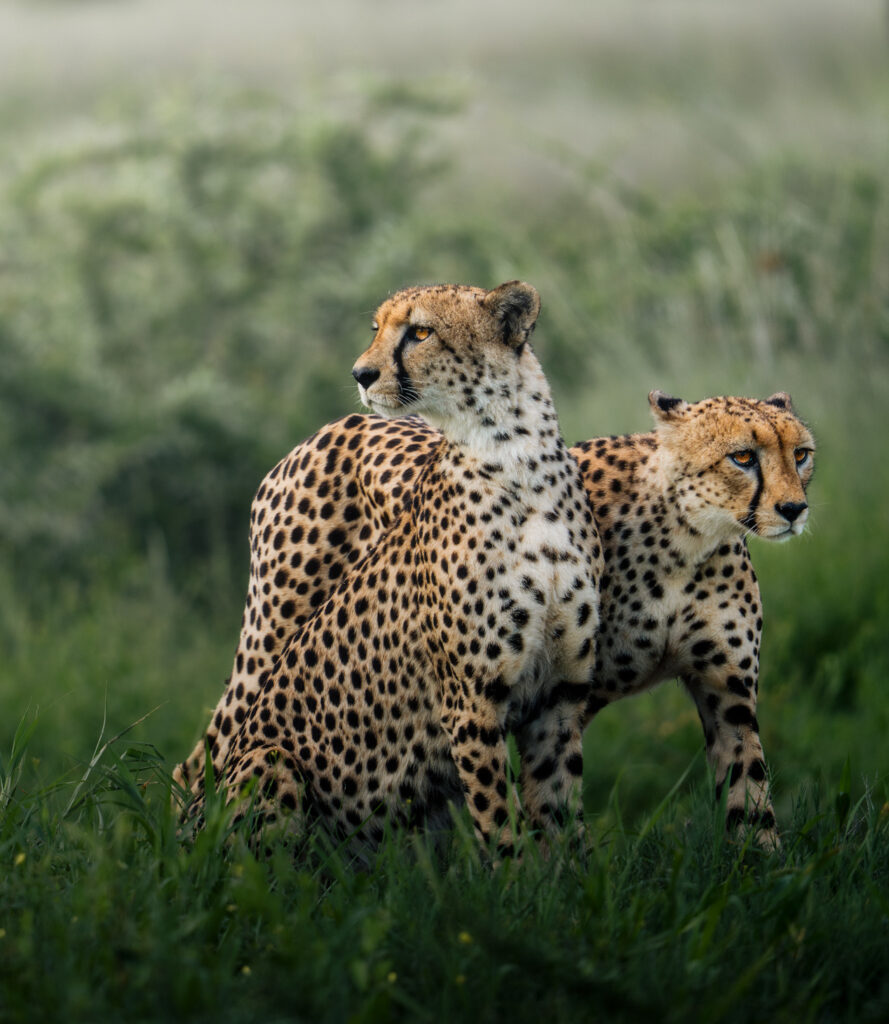
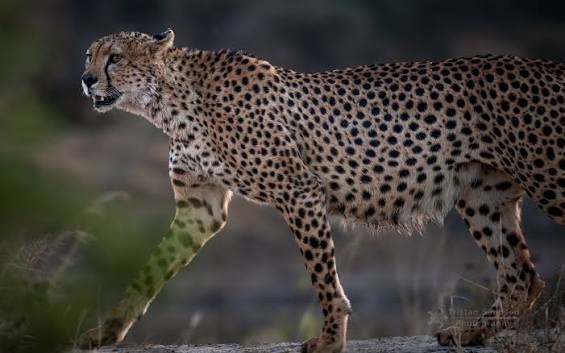
The Serengeti is internationally known for its predator populations. Lions are among the most frequently sought-after sightings, while leopards are often found around riverine woodland and trees. Cheetahs favor more open country, where their speed and long-distance vision are advantages. Spotted hyenas, jackals, and other predators also play essential roles in the ecosystem.
The Big Five
Lion, leopard, elephant, buffalo, and black rhinoceros are all associated with the Serengeti. Some are easier to find than others, and no ethical safari can guarantee every species. A skilled guide reads tracks, habitat, animal behavior, and recent sightings to improve your chances while respecting the wildlife.
Herbivores and Plains Wildlife
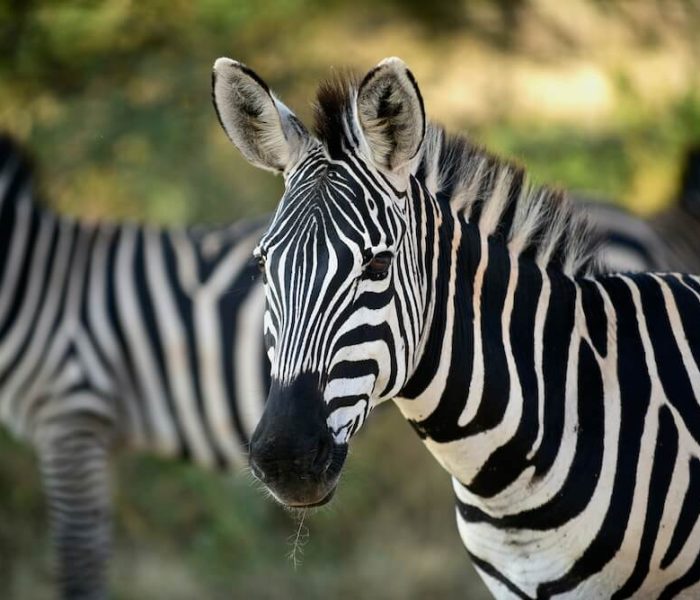
Wildebeest and zebras dominate the migration story, but the Serengeti also supports giraffes, buffalo, elephants, gazelles, topi, hartebeest, eland, warthogs, waterbuck, and many other animals. Hippos and crocodiles are found around rivers and pools, while smaller mammals add interest to slower, more observant game drives.
Birdlife
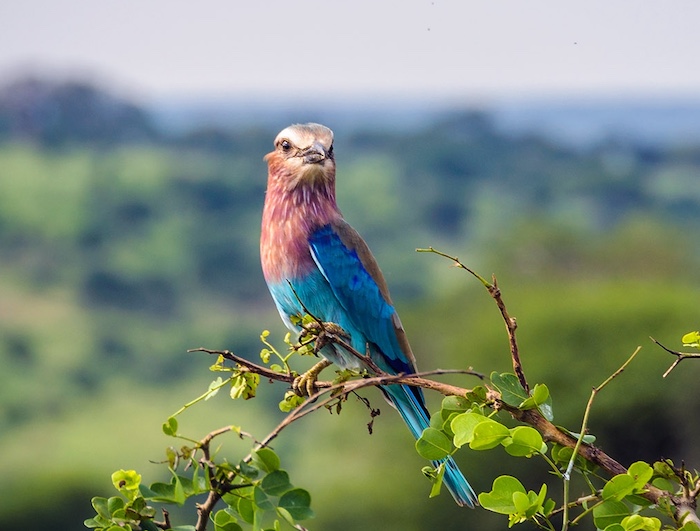
The Serengeti is also an excellent destination for birding. Raptors, vultures, ostriches, storks, rollers, hornbills, and numerous grassland and woodland species can be seen across the park. Birdlife changes with habitat and season, giving experienced birders another reason to explore more than one region.
The Main Regions of the Serengeti
The Serengeti should not be treated as one single safari zone. Each region has a distinct character, and the best place to stay depends on the season, wildlife interests, and how much time you have.
Central Serengeti and Seronera
Central Serengeti is one of the most reliable areas for year-round wildlife viewing. The Seronera River and surrounding habitats support resident animals and attract predators. It is a strong choice for first-time visitors because it offers varied scenery, good wildlife density, and access to several safari routes.
Southern Serengeti and the Short-Grass Plains
The south is especially important during the green season and calving period. Open short-grass plains provide wide views and can hold enormous herds when conditions are favorable. The broader southern ecosystem is often combined with the Ndutu area.
Western Corridor and Grumeti
The Western Corridor has open savannah, woodland, and river systems. The Grumeti region is particularly associated with seasonal migration movement and river habitat. Hippos, crocodiles, and resident wildlife add variety to game drives.
Northern Serengeti – Kogatende, Lobo and Lamai
Northern Serengeti is remote, scenic, and particularly important during the northern phase of the migration. The Mara River is the major draw during the river-crossing season, while rolling landscapes, valleys, and resident wildlife make the area rewarding beyond the crossings.
Moru Kopjes and Rocky Outcrops
The Serengeti’s granite kopjes rise from the plains like natural islands. These rocky formations provide shade, observation points, and shelter for wildlife. Lions are frequently associated with kopje country, and the scenery is excellent for photography.
Best Time to Visit the Serengeti
The Serengeti is a year-round safari destination. The best time depends on what you want to experience. Travelers focused on the migration should choose dates and regions together, while visitors mainly interested in big cats and general wildlife can enjoy rewarding game viewing in many months.
| Period | What to Expect | Best For |
|---|---|---|
|
Jan–Mar |
Green southern plains and migration calving period |
Calving, predators, photography |
|
Apr–May |
Greener scenery and generally fewer visitors |
Value, quieter safari, landscapes |
|
Jun–Jul |
Drier conditions and northward herd movement |
Migration tracking, wildlife |
|
Jul–Oct |
Northern migration season; possible Mara crossings |
River-crossing focus, dry-season safari |
|
Nov–Dec |
Short rains and herds gradually moving south |
Green landscapes, migration movement |
Important
migration timing is controlled by rainfall and grazing conditions. No operator can honestly guarantee a specific river crossing on a particular date. A well-planned itinerary focuses on the correct region, provides enough time, and keeps expectations realistic.
Free 30-minute call with our travel expert
Book a free 30-minute call to get personalized advice about safaris, Kilimanjaro routes, and the best times to visit.
Guruguru Safari
Safari Expert
Things to Do in Serengeti National Park
Game Drives
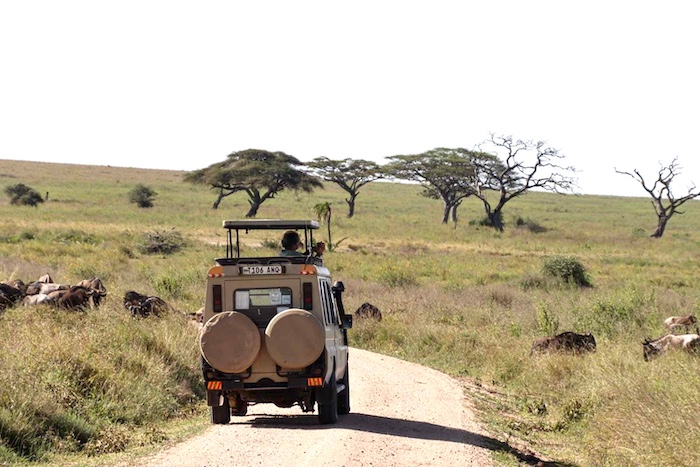
Game drives are the core Serengeti experience. Early mornings are ideal for cooler conditions, softer light, and active predators.
Afternoon drives can reveal different behavior, while full-day drives allow your guide to explore farther from camp when wildlife movement makes it worthwhile.
Hot-Air Balloon Safari
A balloon safari offers a completely different perspective of the Serengeti.
From above, the scale of the plains, animal trails, rivers, and scattered wildlife becomes easier to understand. Flights normally operate in selected areas and should be booked in advance, especially during busy safari periods.
Safari Photography
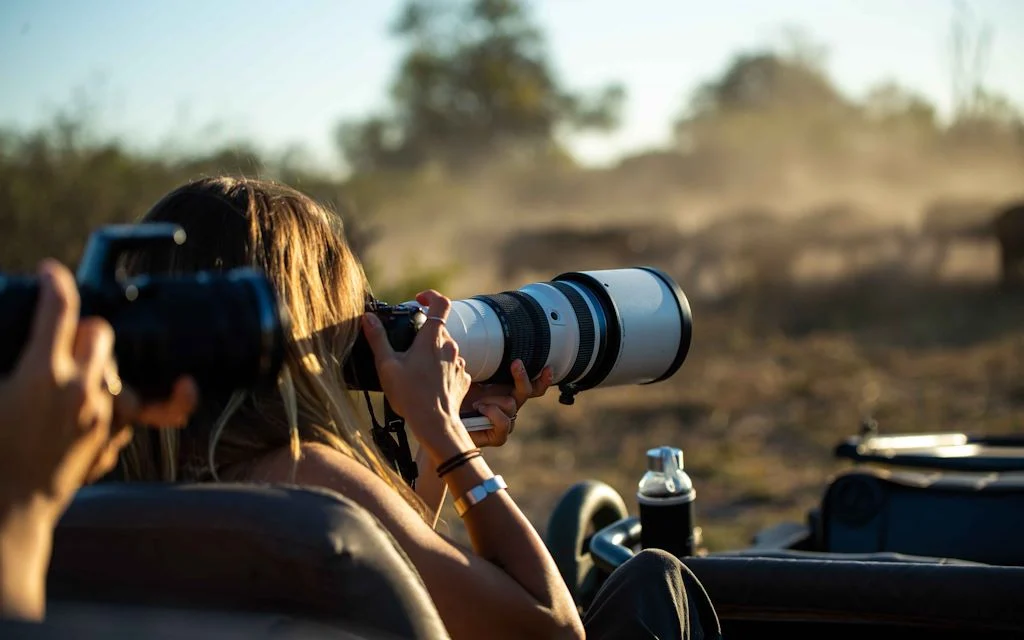
The Serengeti is one of Africa’s most rewarding photography destinations. Big cats, open horizons, dust, storm clouds, silhouettes, and seasonal colors create endless opportunities.
A private vehicle or carefully planned small-group safari can give photographers more flexibility with positioning and time.
Slow Wildlife Observation
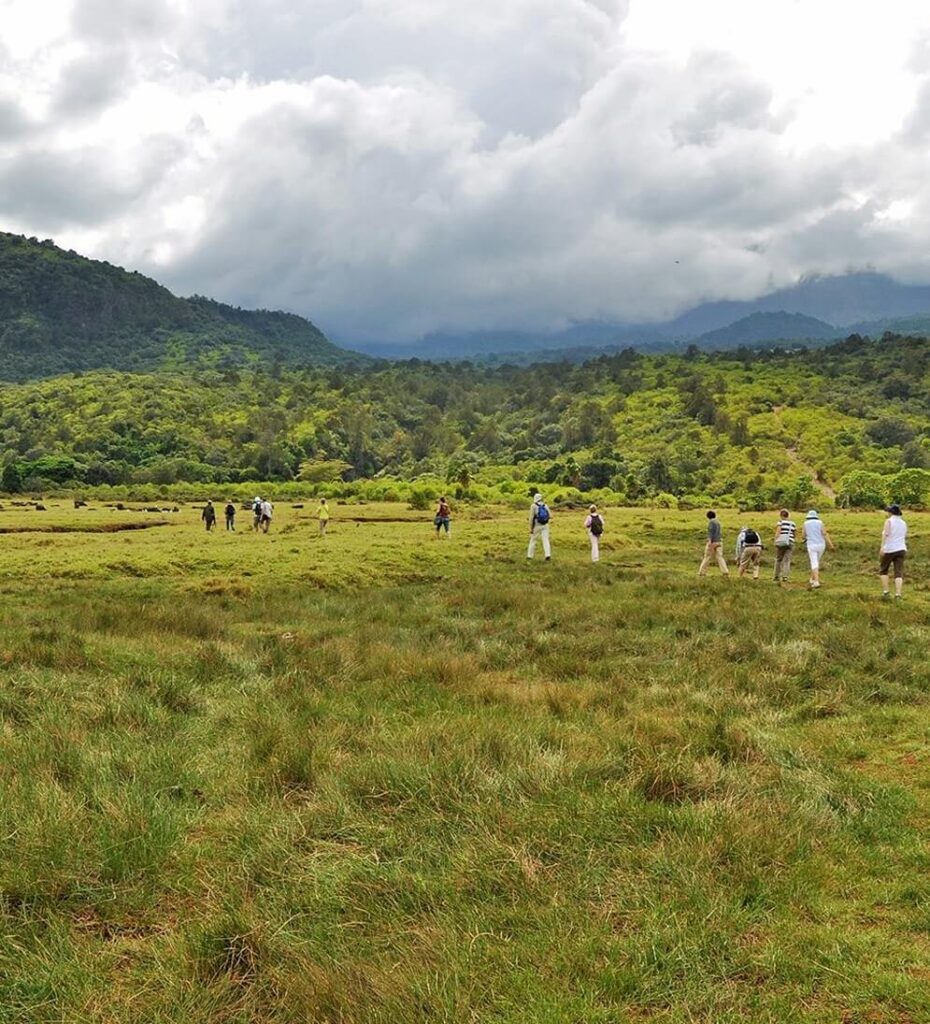
Not every great safari moment comes from driving farther. Some of the best encounters happen when you stop and watch.
Spending time with a pride of lions, a leopard in a tree, or elephants at a water source often reveals behavior that is missed when the safari becomes a race from sighting to sighting.
How to Get to the Serengeti
Most northern Tanzania road safaris begin in Arusha. The Serengeti is commonly combined with Tarangire National Park, Lake Manyara, and the Ngorongoro Conservation Area.
This route turns the journey into part of the safari and allows travelers to experience several different ecosystems before reaching the Serengeti.
Slow Wildlife Observation
Flying is the most efficient option for travelers with limited time, for fly-in safaris, or for itineraries focused on a specific Serengeti region. Airstrips serve different parts of the park, including central and northern safari zones. Your arrival airstrip should match the location of your camp and the wildlife experience you are targeting.
This is particularly important for Northern Serengeti. Flying to an airstrip such as Kogatende can reduce long road transfers and place you closer to the northern migration areas during the appropriate season.
How Many Days Do You Need in the Serengeti?
For most travelers, three to five safari days in the Serengeti provides a stronger experience than a rushed overnight visit. A short stay can still be rewarding, especially in Central Serengeti, but additional time gives your guide more flexibility when wildlife is moving or when weather changes.
- 2 days: A compact Serengeti introduction, best when combined with other northern parks.
- 3–4 days: A balanced option for wildlife viewing and deeper exploration of one main region.
- 5–6 days: Better for migration-focused safaris or combining Central Serengeti with a seasonal area.
- 7+ days: Ideal for photographers, wildlife enthusiasts, or travelers who prefer a slower safari pace.
Where to Stay in the Serengeti
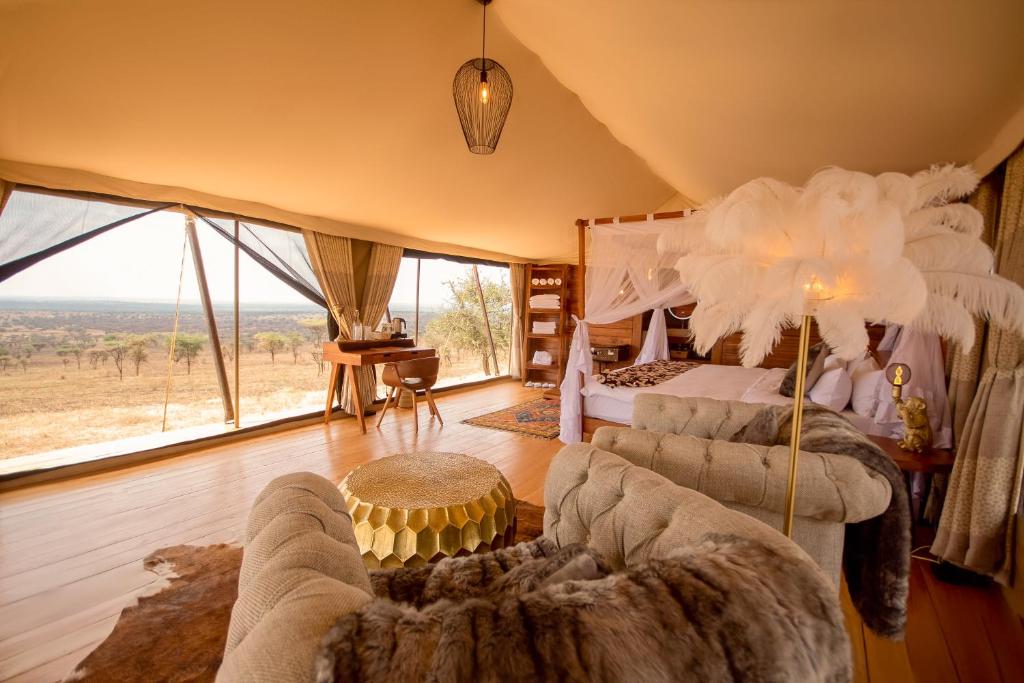
Accommodation in the Serengeti ranges from comfortable tented camps to exclusive luxury lodges. The most important decision is not only the level of luxury; it is the location.
A beautiful camp in the wrong region can create unnecessary driving. For migration safaris, seasonal and mobile camps can be useful because they operate closer to expected herd movements. Central Serengeti offers a wide selection of year-round accommodation, while northern camps are valuable for itineraries focused on Kogatende, Lamai, and the Mara River.
Frequently Asked Questions About the Serengeti
Is Serengeti National Park in Tanzania or Kenya?
Serengeti National Park is in northern Tanzania. The wider Serengeti-Mara ecosystem extends north toward Kenya’s Maasai Mara.
Can I see the Great Migration all year?
The migration is a year-round movement through the broader ecosystem, but the main herds are in different regions at different times. Your itinerary should be matched to the expected seasonal location.
Are Mara River crossings guaranteed?
No. River crossings are natural events and cannot be scheduled or guaranteed. Herd movement, rainfall, and animal behavior determine when a crossing happens.
Is the Serengeti good outside migration season?
Yes. The Serengeti supports abundant resident wildlife and excellent predator viewing. A safari can be highly rewarding even when the largest migration herds are elsewhere.
What animals can I see in the Serengeti?
Possible sightings include lions, leopards, cheetahs, elephants, buffalo, giraffes, wildebeest, zebras, gazelles, hyenas, hippos, crocodiles, and many other mammals and birds.
How long should I stay?
Three to five days works well for many travelers. Migration-focused trips may need more time, especially when combining Central and Northern or Southern Serengeti.
Is a balloon safari worth it?
For travelers who enjoy scenery and a wider perspective of the ecosystem, a hot-air balloon safari can be one of the most memorable Serengeti experiences.
Which Serengeti region is best?
There is no single best region for every trip. Central Serengeti is strong for year-round wildlife, while the south, west, and north become especially important during different phases of the migration.
Plan Your Serengeti Safari
A great Serengeti safari is not created by adding the park name to an itinerary. It is created by choosing the right region, the right number of days, suitable accommodation, and a safari route that matches the season.
Whether you want to follow the Great Migration, spend time with the Serengeti’s big cats, fly directly to Northern Serengeti, or combine the park with Ngorongoro and other northern Tanzania destinations, your itinerary should be built around the experience you want to have.
Do you need a visa to visit Tanzania?
You can obtain this visa either online or on arrival. Typically, it takes 3-5 days to get your visa approved online. However, if your trip starts in less than a week, we recommend opting for the on-arrival visa. To avoid issues with POS machines, bring $50 in cash.
Website for application: visa.immigration.go.tz
What Our Clients say about us
EXCELLENTVerified Great Day We had an amazing day visiting the ngorongoro crater. The tour guide was informative and great. The food was well prepared. It was a beautiful day. Make sure you go with guruguru safaris.Posted on TripadvisorVerified Best experience Ever Mosha and the guruguru Team was amazing.5 nights on an incredible safari.3 days in serengeti and 2 days in ngorongoro. Every single staff member we met was fun,friendly and helpful. 100% excellent service.Posted on TripadvisorVerified Worth the money 💰 We had an unforgettable safari and Zanzibar experience with guruguru safaris. Everything was perfect from the first message. Guides, drivers very professional. Next time we must hike the mount Kilimanjaro with guruguru safaris. There are so many companies in Tanzania but guruguru safaris has a great team.Posted on TripadvisorVerified Kenya+Tanzania Safari We had an incredible Tanzania and kenya safari. Comfortable hotels both in serengeti and maasai mara.Both the guides in kenya and Tanzania did an extremely great job.Thanks to peter for fixing the visa. We contacted different companies but Guruguru had the best offers,Good price + communication.Posted on TripadvisorVerified Honeymoon safari Our first safari in africa.After doing our research we decided to go to serengeti with guruguru safaris. They responded immediately to help. Booked 8 days private long safari. We had a great time with kilangi. Very communicative guide. Highly recommendPosted on TripadvisorVerified EXCEPTIONAL We must repeat this wonderful experience. Great safari. Top organized. Car,lodges all good. Our guide Philipo accompanied us throughout our entire trip.He spoke so many languages fluently and had high knowledge about the animals. We were able to see so many animals. Everything was simply excellent.Posted on TripadvisorVerified 13 Days in Tanzania Unforgettable trip to arusha,moshi,serengeti and zanzibar. I can only Highly recommend guruguru safari. 6 days safari and 7 days zanzibar. Felix made us feel comfortable. He was very talented and professional. Thanks to peter for helping us make our dream come true. He organized everything wonderful.Posted on TripadvisorVerified Incredible Safari Thank you Guruguru safaris for the great safari in Serengeti . Very professional team led by Mr Peter . Very responsive from the beginning. Very friendly and accommodating. Best prices for a private safari. Found their phone number online . Joseph the guide was great.Posted on TripadvisorVerified Would Highly Recommend Our second time visit in Tanzania.We had unforgettable and magical time with Guruguru Safaris.We spent 8 wonderful days on safari with philipo. Great knowledge of flora and fauna in the serengerti.He never rushed us.Very well educated guide. very safe.Posted on TripadvisorVerified A Dream trip Thanks to peter for organizing the safari.The lodges were comfortable and beautiful. The team was great. Smilling and happt. Recommend 100%