Best Time to Visit Tanzania for Safari: A Month-by-Month Guide
Planning a Tanzania safari and wondering when to go?
The best time to visit Tanzania for safari depends on what you want to experience. If your priority is excellent wildlife viewing and dry weather, June to October is generally the most popular period. If you want to witness the Great Wildebeest Migration, the ideal month depends on where the herds are moving. For wildebeest calving and intense predator activity, January and February can be exceptional.
The good news is that Tanzania is a year-round safari destination. Each season offers a different experience, from dramatic wildlife encounters during the dry season to lush landscapes and fewer visitors during the green season.
This month-by-month guide explains the best time to visit Tanzania for safari, what wildlife you can expect, where to go, what the weather is like, and how the seasons can affect your safari experience.
Quick Answer: When Is the Best Time to Visit Tanzania?
For most first-time safari travellers, June to October is the safest choice for excellent wildlife viewing, relatively dry weather and comfortable safari conditions.
However, the best month depends on your priorities:
| What you want to experience | Best time |
|---|---|
| Overall Tanzania safari | June–October |
| Great Wildebeest Migration | June–October, depending on location |
| Mara River crossings | Usually August–September |
| Wildebeest calving | January–February |
| Excellent predator action | January–March |
| Fewer tourists | November, January–February and April–May |
| Lower safari prices | April–May and parts of November |
| Best dry-weather conditions | June–October |
| Green landscapes and photography | November–May |
| Safari + Zanzibar | June–October or January–February |
There is no single perfect month for everyone. The right time depends on your budget, preferred weather, wildlife interests and the type of safari you want.
Tanzania Safari Seasons Explained
Tanzania’s safari calendar can broadly be divided into dry and rainy periods, although conditions vary between regions.
Dry Season: June to October
The dry season is the most popular time for a Tanzania safari.
Rainfall is generally limited, vegetation becomes thinner, and wildlife is often easier to spot around water sources. Roads are also generally in good condition, making it an excellent period for game drives.
This is particularly popular for first-time safari travelers who want reliable conditions and excellent wildlife viewing.
The dry season is also an important period for the Great Wildebeest Migration as the herds move through the Serengeti toward the northern Serengeti and, at certain times, the Mara River.
The main disadvantage is that July, August, and parts of September can be busy, particularly around famous wildlife areas.
Green Season: November to May
The wetter months transform Tanzania’s landscapes.
The grasslands become greener, the scenery becomes particularly attractive for photography, and many areas experience fewer visitors.
January and February are especially interesting because the southern Serengeti and Ndutu region can become a major centre of wildebeest calving activity.
April and May are traditionally among the quieter months for tourism. Some accommodation properties may offer lower rates, although weather conditions can be wetter.
Tanzania Safari Month by Month
January – Green Landscapes and the Beginning of Calving Season
January can be an excellent month for a Tanzania safari.
The landscapes are becoming green following the short rains, and wildlife viewing remains strong in many northern Tanzania parks.
In the Serengeti ecosystem, wildebeest begin concentrating around the southern plains as the migration cycle moves toward the calving season.
January is particularly attractive for travellers who want beautiful scenery, fewer visitors than the peak dry season and the possibility of seeing young wildlife.
Best areas: Southern Serengeti, Ndutu, Ngorongoro Conservation Area, Central Serengeti and Tarangire.
Best for: Green landscapes, wildlife photography and early calving-season experiences.
February – One of the Best Months for Wildebeest Calving
February is one of the most exciting months for travellers interested in the Great Migration’s calving season.
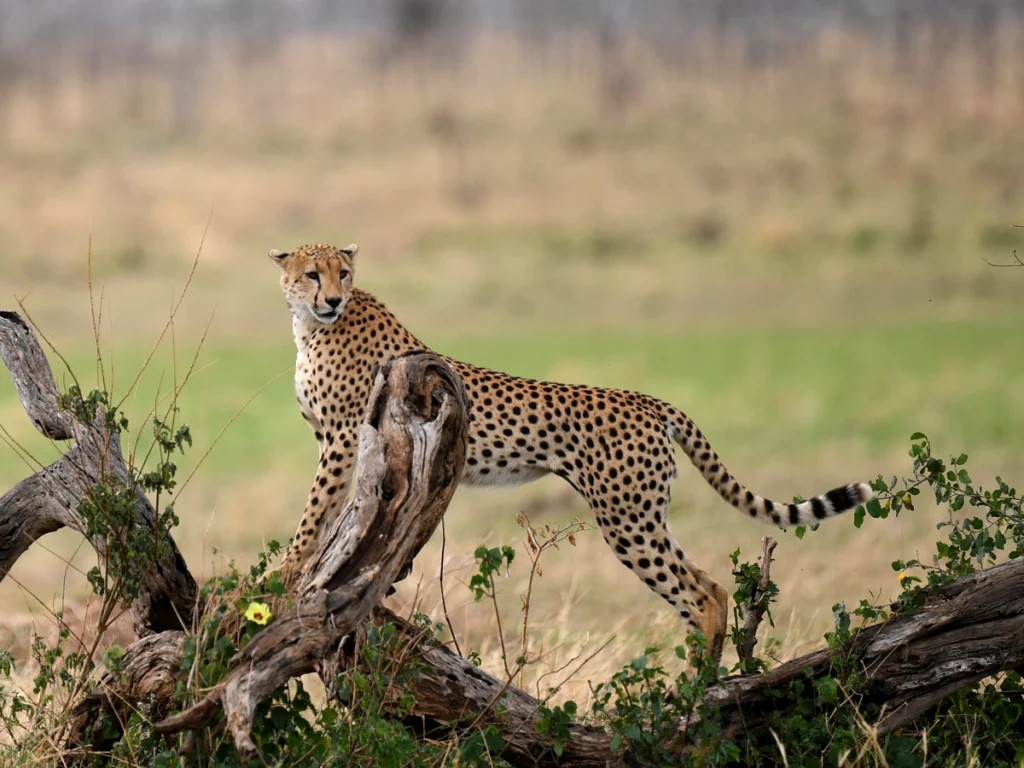
Large numbers of wildebeest gather on the short-grass plains of the southern Serengeti and Ndutu area. Newborn animals attract predators, creating opportunities to witness dramatic interactions between wildebeest, lions, cheetahs, hyenas and other predators.
For photographers and wildlife enthusiasts, this can be an extraordinary time to visit.
February can also offer a good balance between wildlife activity and visitor numbers compared with the busiest months of the dry season.
Best areas: Ndutu and Southern Serengeti.
Best for: Wildebeest calving, predators and wildlife photography.
March – Excellent Wildlife With a Greener Serengeti
March continues the green-season experience.
The Serengeti remains productive, with wildlife distributed across the ecosystem. The scenery is often lush and dramatic, while visitor numbers can be lower than during the peak dry season.
The weather becomes less predictable as the long-rain period approaches, so travellers should be prepared for occasional rainfall.
Best areas: Serengeti, Ngorongoro, Tarangire and Lake Manyara.
Best for: Green scenery, photography and quieter safari experiences.
April – Quiet and Green
April is part of Tanzania’s long-rain period and is generally considered a low-season month.
It is not necessarily the first choice for travellers who want consistently dry weather. However, it can be appealing to flexible travellers who prefer fewer vehicles, greener scenery and potentially lower accommodation prices.
Wildlife does not disappear during the rains. Safari experiences can still be rewarding, especially for travellers who value scenery and tranquillity.
Best areas: Serengeti, Ngorongoro and other northern circuit parks, depending on conditions.
Best for: Lower visitor numbers, photography and travellers with flexible schedules.
May – A Transition Toward the Dry Season
May continues to experience rainfall in many parts of Tanzania, but conditions begin transitioning toward the dry season.
The landscapes can remain beautifully green, and visitor numbers are generally lower than during the July–October peak.
Travellers choosing May should understand that weather can affect road conditions and safari schedules.
Best for: Quiet safaris, green scenery and potentially better-value travel.
June – One of the Best Months for a Tanzania Safari
June marks the beginning of one of Tanzania’s most popular safari periods.
The weather generally becomes drier, wildlife viewing conditions improve and the landscapes begin changing from green to golden.
The Great Wildebeest Migration also becomes an important attraction as herds move through the Serengeti ecosystem.
June can be an excellent choice for travellers who want many of the advantages of the dry season without travelling during the busiest part of the summer.
Best areas: Serengeti, Ngorongoro, Tarangire and Lake Manyara.
Best for: First-time safari travellers, wildlife viewing and early migration experiences.
July – Peak Safari Season
July is one of the most popular months for Tanzania safaris.
Dry conditions make game drives comfortable, wildlife visibility is generally excellent and the Great Wildebeest Migration is moving through the Serengeti ecosystem.
The northern Serengeti becomes particularly important for travellers following the migration.
Because demand is high, accommodation and safari availability can become limited, especially for specific camps and prime migration locations.
Best areas: Northern Serengeti, Central Serengeti, Ngorongoro and Tarangire.
Best for: Dry weather, wildlife viewing and migration safaris.
August – Migration and River-Crossing Season
August is one of the months most closely associated with the Great Wildebeest Migration.
The northern Serengeti can provide opportunities to witness the herds as they move toward and around the Mara River.
However, it is important to understand that nature does not follow a fixed timetable. A river crossing cannot be guaranteed simply because you travel in August.
The advantage of a well-planned safari is that your guide can adapt the route according to recent wildlife movements and local conditions.
Best areas: Northern Serengeti and Central Serengeti.
Best for: Great Migration experiences, dry weather, and classic safari conditions.
September – Excellent Wildlife and Fewer Crowds Than Peak August
September continues to offer excellent safari conditions.
The northern Serengeti remains an important area for the migration, while the dry conditions make wildlife viewing highly rewarding across northern Tanzania.
Compared with the busiest parts of July and August, September can sometimes provide a slightly more relaxed experience.
Best areas: Northern Serengeti, Central Serengeti, Ngorongoro and Tarangire.
Best for: Migration, wildlife photography and dry-season safaris.
October – The End of the Main Dry Season
October is another excellent month for a Tanzania safari.
The dry season is still present in many areas, while temperatures can begin becoming warmer.
Wildlife remains relatively easy to spot, and the migration continues moving through the Serengeti ecosystem according to rainfall and grazing conditions.
October can be a good option for travellers looking for strong wildlife viewing without necessarily travelling during the busiest summer weeks.
Best for: Wildlife viewing, photography and a quieter dry-season experience.
November – Green Season Returns
November usually marks the return of the short rains in northern Tanzania.
The landscape begins becoming greener, and the arrival of fresh grass influences wildlife movements.
Visitor numbers can decrease compared with the peak season, making November attractive to travellers looking for a more peaceful safari.
Rain showers do not necessarily mean that the entire day will be wet. Safari conditions can vary considerably from one day and location to another.
Best for: Green scenery, photography and fewer tourists.
December – Festive Season Safari
December offers a combination of green landscapes, wildlife and festive-season travel.
The first part of the month can be quieter, while Christmas and New Year periods can become significantly busier.
For travellers combining a Tanzania safari with Zanzibar, December can also be an attractive time for a safari-and-beach holiday.
If travelling over Christmas or New Year, booking well in advance is recommended.
Best for: Festive holidays, family trips and safari + Zanzibar combinations.
When Is the Best Time to See the Great Wildebeest Migration?
The Great Wildebeest Migration is a continuous natural cycle rather than a single event that happens on one fixed date.
More than one million wildebeest, together with large numbers of zebra and other grazing animals, move through the Serengeti-Mara ecosystem following rainfall and fresh grazing.
The exact location of the herds changes from year to year.
Generally:
January–March: The herds are associated with the southern Serengeti and Ndutu area, with calving activity making this a major wildlife period.
April–May: The herds begin moving north and west as the season progresses.
June–July: The migration moves through the western and central parts of the Serengeti, depending on rainfall.
August–September: The northern Serengeti becomes particularly important, with potential opportunities for Mara River crossings.
October–December: The herds gradually move south again as rainfall and fresh grazing influence their route.
For this reason, choosing the right location is just as important as choosing the right month.
What Is the Best Time to See the Big Five?
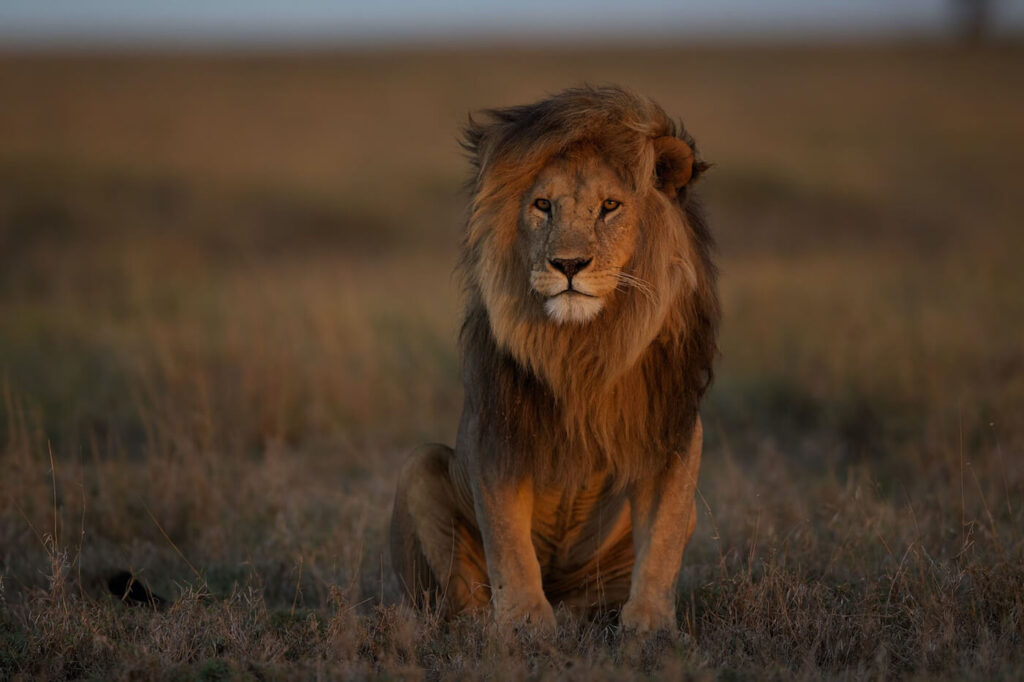
Tanzania is an excellent destination for viewing lions, leopards, elephants, buffalo and rhinos.
The dry season from June to October is often preferred because vegetation is thinner and animals can be easier to locate around water sources.
However, excellent wildlife viewing is possible outside these months.
The Ngorongoro Crater is particularly famous for its concentration of wildlife, while the Serengeti provides vast habitats and opportunities for extended game viewing.
A safari should not be planned around a guarantee of seeing all five animals. Wildlife is wild, and sightings depend on location, season and chance.
Best Time to Visit Serengeti
The Serengeti can be visited throughout the year.
For general wildlife viewing and dry conditions, June to October is a strong choice.
For wildebeest calving, January and February are particularly attractive.
For the northern Serengeti and potential Mara River crossing experiences, August and September are commonly chosen.
The important point is that the Serengeti is enormous. A safari focused on migration should be planned around the expected movement of the herds rather than simply selecting a popular month.
Best Time to Visit Ngorongoro Crater
Ngorongoro can be visited throughout the year.
The crater provides excellent opportunities for wildlife viewing because of its high concentration of animals within a relatively compact area.
June to October is popular because of the dry weather, but the crater can also be rewarding during the greener months.
Combining Ngorongoro with Serengeti gives travellers a broader Tanzania safari experience, rather than relying on a single destination.
Best Time to Visit Tarangire National Park
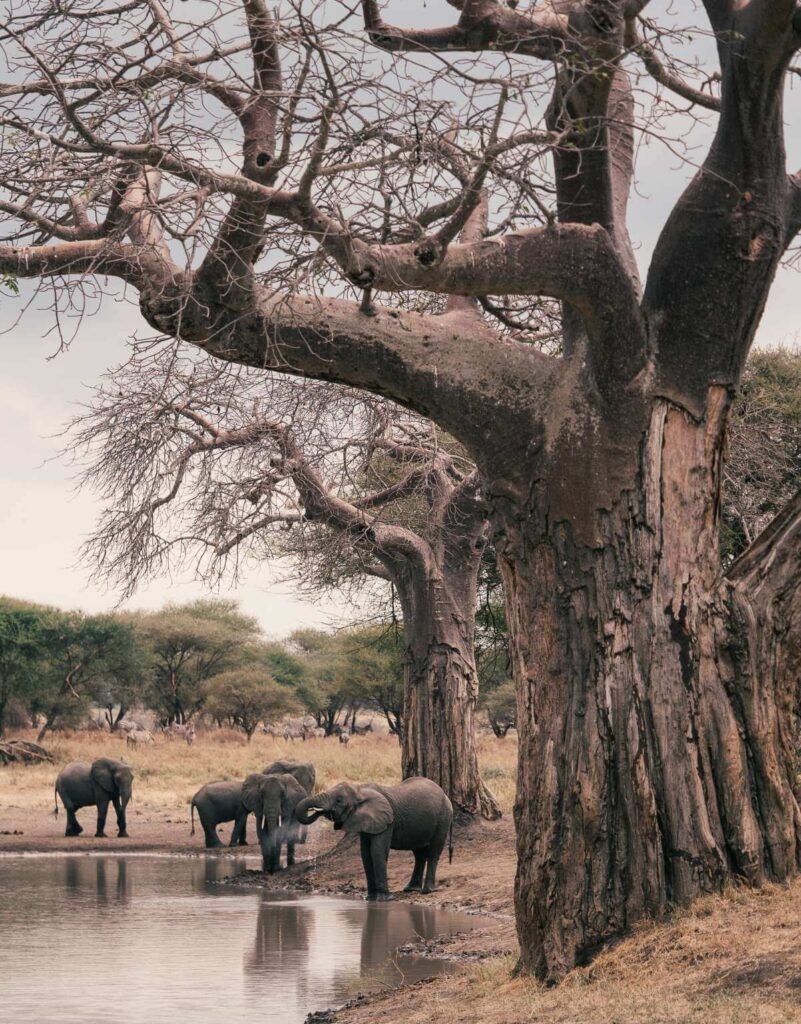
Tarangire is particularly attractive during the dry season.
As water becomes more limited, wildlife can concentrate around the Tarangire River and other permanent water sources.
June to October is therefore a popular period for Tarangire safaris.
The park can also be excellent during other months, particularly for travellers who want to experience Tanzania’s northern circuit beyond the Serengeti.
What Is the Cheapest Time to Go on Safari in Tanzania?
If your priority is reducing the overall cost of a safari, the quieter seasons can offer better value than the peak July–October period.
April and May are traditionally associated with the long rains and lower tourist demand. November can also provide a useful balance between greener scenery and fewer visitors.
However, the cheapest month is not necessarily the best month for every traveller.
A better approach is to decide what you want to see first and then choose a season that matches your priorities.
At Guruguru Safaris, your itinerary can be designed around your travel dates, preferred accommodation level and safari priorities rather than simply selecting a standard package.
Tanzania Safari and Zanzibar: Can You Combine Them?
Yes.
A Tanzania safari followed by Zanzibar is one of the most popular ways to experience the country.
A typical trip can begin with wildlife experiences in destinations such as Tarangire, Ngorongoro and Serengeti before continuing to Zanzibar for beaches, Stone Town, culture and relaxation.
For many travellers, the combination works particularly well because the two experiences are very different.
The safari provides wildlife, landscapes and adventure.
Zanzibar provides beaches, ocean activities, culture and relaxation.
June to October is particularly attractive for combining the two, while January and February can also provide excellent safari conditions alongside warm beach weather.
How Many Days Do You Need for a Tanzania Safari?
The ideal safari length depends on your budget and destinations.
For a short introduction to Tanzania, 3–4 safari days can provide a worthwhile experience.
For the Northern Circuit, 5–7 days allows more time to combine destinations such as Tarangire, Ngorongoro and Serengeti without rushing.
For travellers interested specifically in the Great Migration, a longer itinerary can provide greater flexibility because wildlife movements cannot be guaranteed on a particular day.
If Zanzibar is included, a total trip of around 8–12 days can provide a comfortable combination of safari and beach time.
What Should You Pack for a Tanzania Safari?
Pack lightweight, comfortable clothing suitable for warm daytime temperatures and cooler mornings.
Essential items include:
- Lightweight neutral-coloured clothing
- A warm layer or fleece for early morning game drives
- Comfortable closed shoes
- Sunglasses
- Sunscreen
- Hat or cap
- Insect repellent
- Binoculars
- Camera and spare batteries
- Reusable water bottle
- Small day bag
Avoid bringing excessive luggage. If your itinerary includes domestic flights between safari destinations, baggage restrictions may be more restrictive than on international flights.
Which Month Should You Choose?
If you are still unsure, use this simple guide:
Choose January or February if you want to experience the wildebeest calving season and predator activity.
Choose June if you want an excellent introduction to Tanzania during the beginning of the dry season.
Choose July or August if your priority is the Great Migration and classic dry-season safari conditions.
Choose September or October if you want excellent wildlife viewing during the dry season with potentially fewer visitors than the busiest peak weeks.
Choose November if you prefer greener landscapes and a quieter safari.
Choose April or May if your priority is lower-season travel and you are comfortable with a greater possibility of rain.
The Best Time for Your Tanzania Safari Depends on You
There is no universal answer to the question, “When is the best time to visit Tanzania for safari?”
The best month depends on what you want to see.
For dry weather and classic wildlife viewing, June to October is the strongest overall period.
For wildebeest calving, January and February are among the most exciting months.
For the possibility of seeing the Great Migration around the northern Serengeti and Mara River, August and September are commonly preferred.
For quieter travel and potentially better value, the green and shoulder seasons can be worth considering.
Most importantly, your safari should be planned around your priorities rather than simply following a generic calendar.
Plan Your Tanzania Safari With Guruguru Safaris
Choosing the right month is only the first step.
The next decision is choosing the right parks, safari duration, accommodation and route for your travel dates.
At Guruguru Safaris, we create Tanzania safari experiences around what you actually want to see and how you want to travel.
Whether you are looking for a private Tanzania safari, luxury safari, budget safari, family safari, Great Migration safari or a safari combined with Zanzibar, our team can help you build the right itinerary.
Ready to start planning your Tanzania adventure?
Frequently Asked Questions
What is the best month to go on safari in Tanzania?
June to October is generally the best period for dry weather and excellent wildlife viewing. However, January and February are particularly good for wildebeest calving, while August and September are popular for the northern Serengeti migration.
What is the rainy season in Tanzania?
Tanzania generally experiences a long rainy period from around March to May and shorter rains around November and December. Rainfall varies by region, and safaris remain possible during much of the year.
What is the best time to see the Great Migration in Tanzania?
It depends on the stage of the migration you want to see. January and February are associated with calving in the southern Serengeti and Ndutu, while July to October is associated with the northern migration and potential Mara River crossing activity.
Can I go on safari in Tanzania during the rainy season?
Yes. Tanzania remains a safari destination throughout the year. The rainy season can provide greener landscapes, fewer tourists and potentially better-value accommodation.
Is Tanzania expensive during peak safari season?
Peak-season accommodation and safari demand can be higher, particularly during July to October. Booking earlier can provide more choice of camps, lodges and safari routes.
How far in advance should I book a Tanzania safari?
For peak-season travel, especially if you want specific camps in the Serengeti during the Great Migration, booking several months ahead is advisable. Earlier booking gives you more flexibility with accommodation and itinerary planning.
Is Tanzania good for a safari in December?
Yes. December can offer green landscapes, good wildlife viewing and festive-season travel. Christmas and New Year periods are generally busier, so advance planning is recommended.
What is the best time for a Tanzania safari and Zanzibar holiday?
June to October is one of the strongest periods for combining a Tanzania safari with Zanzibar. January and February can also work very well for travellers who want a safari during the calving season followed by time on the beach.